MAPPA Lab
Digital Methodologies APPlied to Archaeology
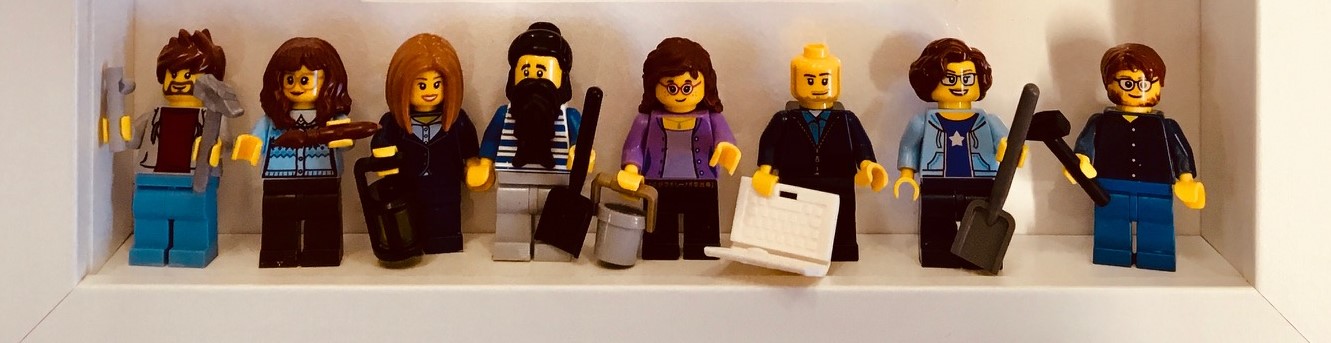
MAPPA is a Laboratory of the Department of Civilisations and Forms of Knowledge of the University of Pisa, Italy. It develops digital Methods APPlied to Archaeology and among the other things, it deals with Open Data, Data Analysis, Artificial Intelligence and GIS.
Archaeological methods and Digital archaeology
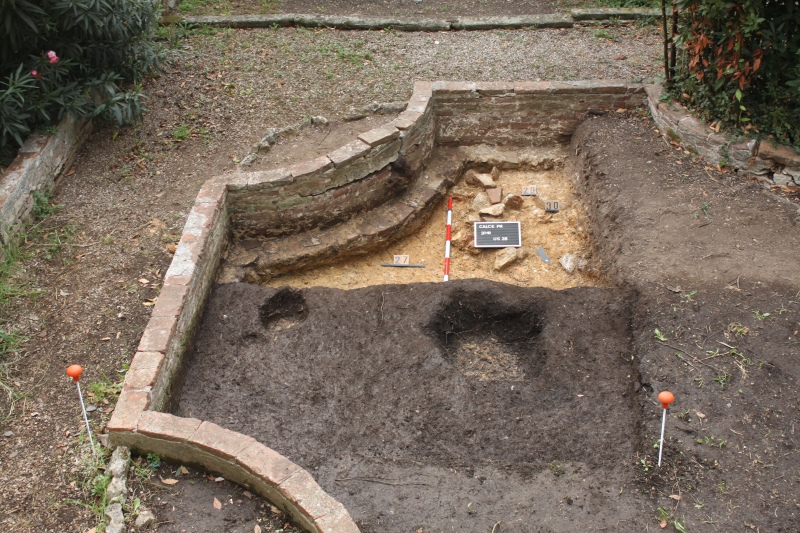
Archaeology is intrinsically digital because it makes extensive use of digital technology, but more radically, unlike other disciplines, archaeology operates from the bottom up, building its interpretation starting from fragments of the (more or less recent) past rather than starting from the whole and breaking it down. Theory, fieldwork, and digital methods are the three pillars of archaeology. Acquisition, collection, preservation, analysis, and data accessibility have become the essence of archaeology itself, with its epistemological and hermeneutical aspects.
Contemporary archaeology
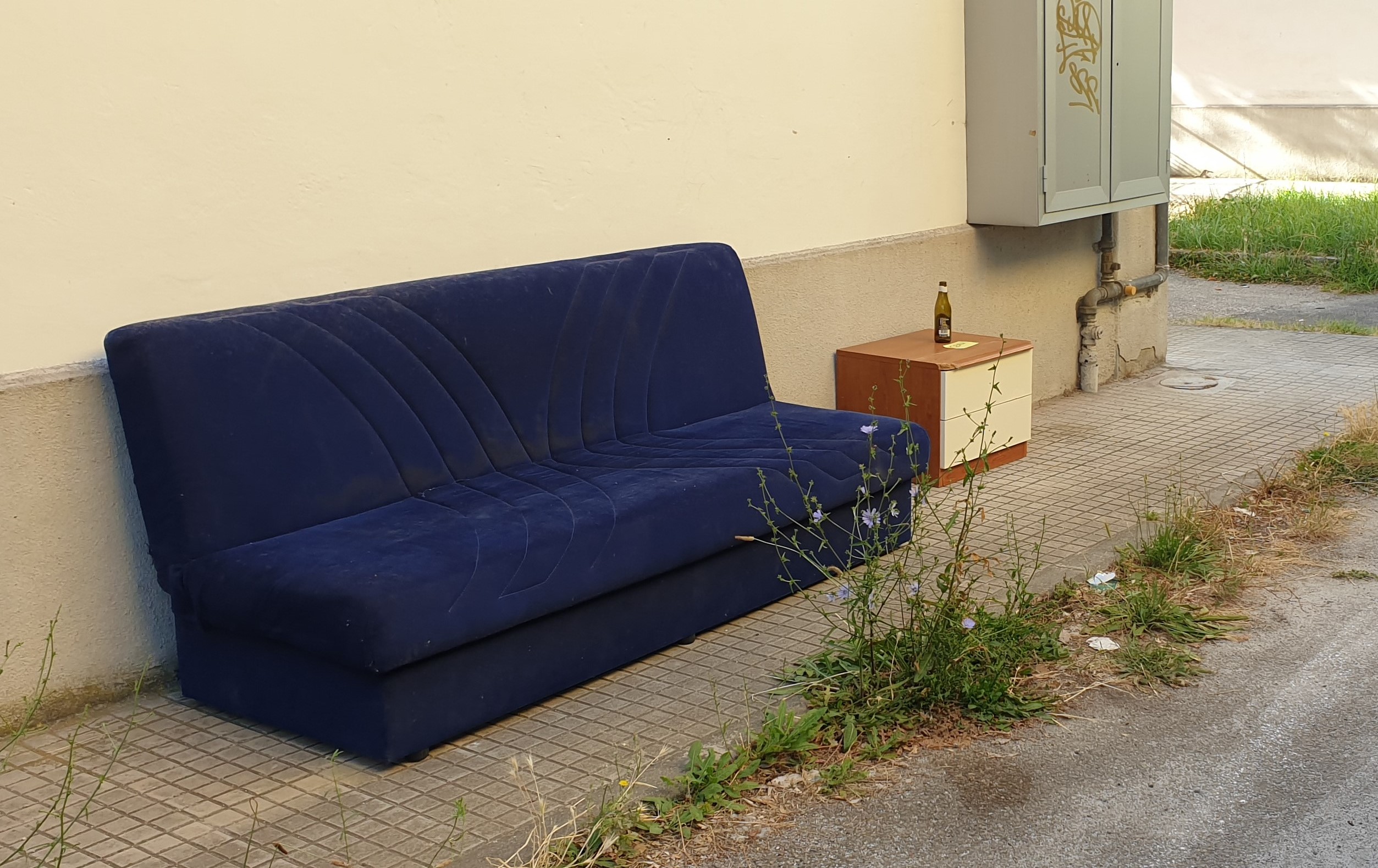
The study of the contemporary world through the lens of archaeology was first established at the end of the 70s and beginning of the 80s. The early debate focused on the idea that archaeology should investigate the phenomena of “our” contemporary society, taking distance from the ethnoarchaeological approach which aimed at building replicable models, useful for the interpretation and understanding of ancient societies. However, in the 2000s, the birth of the discipline was formally sanctioned: contemporary society became a valuable target for archaeological research.
Environmental Archeology
The essence of environmental archeology is an horizontal approach to the study of human communities and their relationships with non-humans, within their ecological niches. Rooted in the theoretical framework of political ecology, environmental archeology is based on the combined and diachronic analysis of environmental proxies that allow us to define the relationships between the various agents in ecological systems.

Archaeological Open Data
In a discipline based on destructive methods, the lack of information sharing not only inhibits research, but also represents a loss of irreplaceable cultural and historical knowledge. The MAPPA Laboratory has always embraced the Open philosophy and boasts the creation of MOD, the first Italian Open-Data repository.
Projects
The MAPPA Laboratory promotes and coordinates interdisciplinary projects at national and international level.
A team of specialists, together with operators and professionals from other disciplines, leads projects strongly innovative ranging from spatial analysis, digital archeology to Big Data and the application of deep learning systems to archeology.
Registration, management and mathematical analysis of archaeological data
Analyze the transformations of the territories over the centuries by crossing the archaeological, historical, geological and geomorphological sources. Understanding the spatial organization and zoning of historical cities that overlapped over time and that today are buried or only partially visible, to create predictive maps of archaeological potential through the use of GIS tools and numerical analysis processes. Interdisciplinary approaches for the evaluation of archaeological potential: the MAPPA laboratory has a great tradition of research in the archiving and categorization of archaeological data, up to their analysis through GIS tools and mathematical/statistical methods, aimed at the predictive calculation of archaeological potential.
Archaeological Big Data
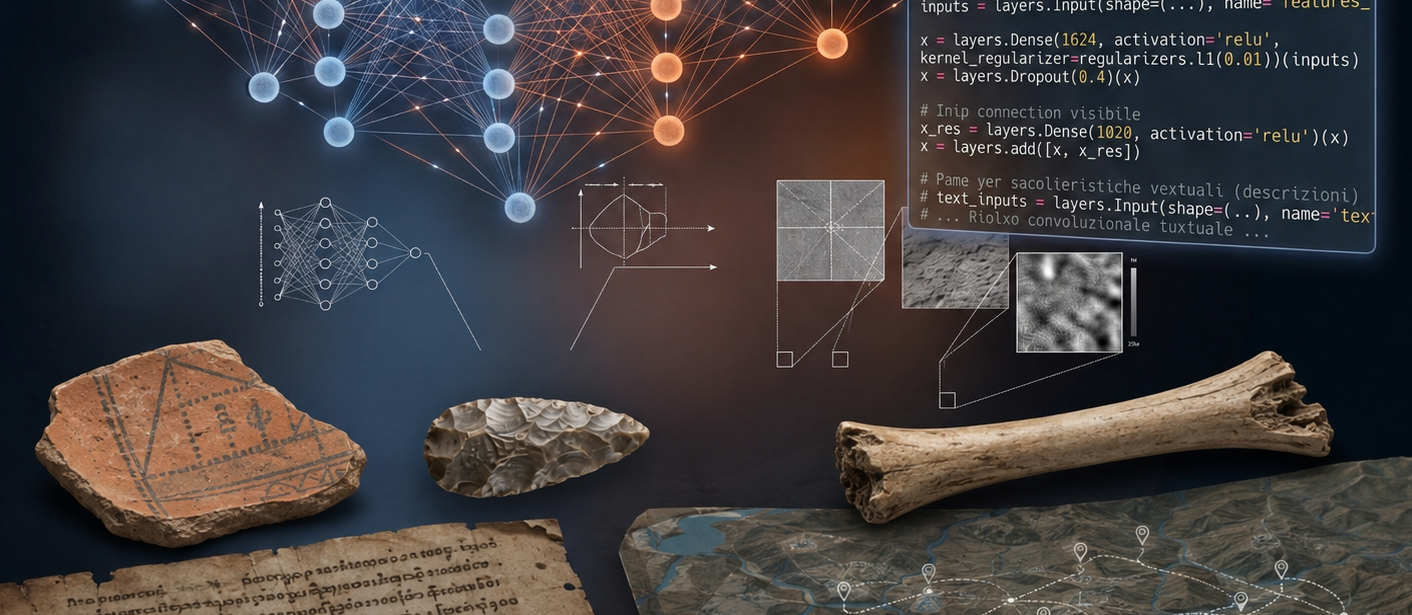
Big Data allow us to learn things impossible to understand using small amounts of data, thanks to the potential offered by software, hardware and algorithms. Their use requires a new archaeological approach: managing large amounts of data, accepting complexity, moving from causality to correlation. Big data inform, expose schemes for archaeological interpretation, are a resource and a tool: data mining, text mining, data visualization, quantitative methods, image processing, etc. help to understand complex archaeological information. Big Data open up new and unprecedented opportunities to read the great historical phenomena, allowing us to re-establish the social role of archeology.
Communication, dissemination and teaching of archaeological data
The MAPPA Lab has always paid attention to communication planning, developing strategies aimed at reaching different public targets in order to facilitate the understanding of scientific concepts and encourage collaboration with researchers outside the laboratory. Thanks to the use of different media, communication tools, and the collaboration with professionals in various sectors, MAPPA Lab carefully plans communication and dissemination for each research project.
Archaeological impact assessment
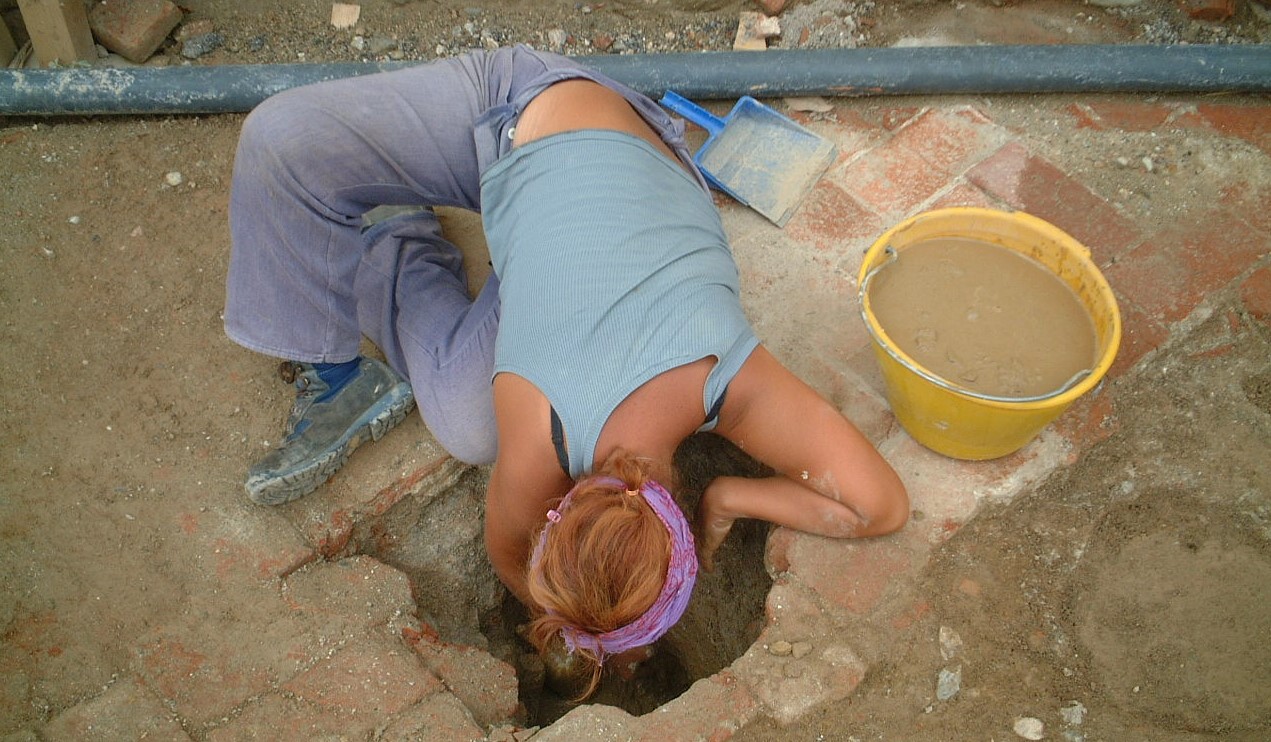
The MAPPA laboratory guarantees a solid experience in the elaboration of ARCHeological Impact Assessment (VIArch), carried out through the integrated approach of archaeological methodologies and techniques: from bibliographic and archive research to aerophoto interpretation, from stratigraphic readings to analysis with GIS software.
Master in Artificial Intelligence for Archaeology and Cultural Heritage

Protocols and perspectives for the study of pigments at the conference ‘Geosciences and the challenges of the 21st century’.
At the Italian National Conference on Geosciences, Massimiliano Puntin will be present with a poster illustrating part of his doctoral research, presenting a methodology for investigating the origin of the raw materials used to produce pigments in Roman times. In the...

RiVolti ai Balcani (Facing the Balkans): What has happened in these ten years, and what lies ahead?
Twenty-seven speakers from all over Europe will bring together their voices and expertise to recount what has happened along the Balkan Route over the past ten years and to analyze future perspectives on European migration policies. Francesca Anichini will take part...
Archaeology as an analysis of contemporary migrations – Waiting for Immagimondo
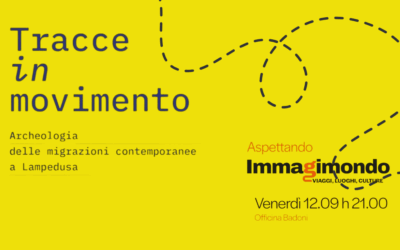
On September 12 at 9:00 p.m., Francesca Anichini will be at Immagimondo to address this question and present her book “Tracce in movimento. Archeologia delle migrazioni contemporanee a Lampedusa” (Traces in Motion. Archaeology of Contemporary Migrations in Lampedusa)....

DUMP – Contemporary Finds Study Campaign
June 18-20, 23-37: MAPPA lab moves to the garden of the Antiquities Library (44 via S. Maria) for the study of contemporary DUMP artifacts. Monday through Friday, between 9 a.m. and 1 p.m., and between 2 p.m. and 5 p.m. The study campaign is open to Unipi students,...

Intelligent, Yet Artificial, Archaeology.
In recent years, artificial intelligence has found an increasing number of applications in the field of archaeology – from the identification of archaeological sites and the recognition of artefacts, to the use of robotics. These are promising developments that are...
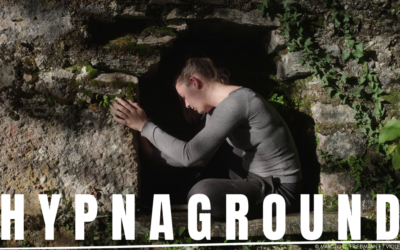
Contaminations between archaeology and contemporary art. Video performance and dialogue with the artist and the MAPPA Lab team.
On 28 April 2025, at 6.30 p.m., at the Arsenale Spazio Sammartino in Pisa, Vicolo Scaramucci 2, there will be the presentation of the video performance Hypnaground, curated by MAPPA Lab of the University of Pisa and the French artist Violaine Lochu. The project stems...

 Laboratorio MAPPA – Dipartimento di Civiltà e Forme del Sapere Università di Pisa
